-
My Journey From a Conference Room to a War Camp: How Speed Beats Scale
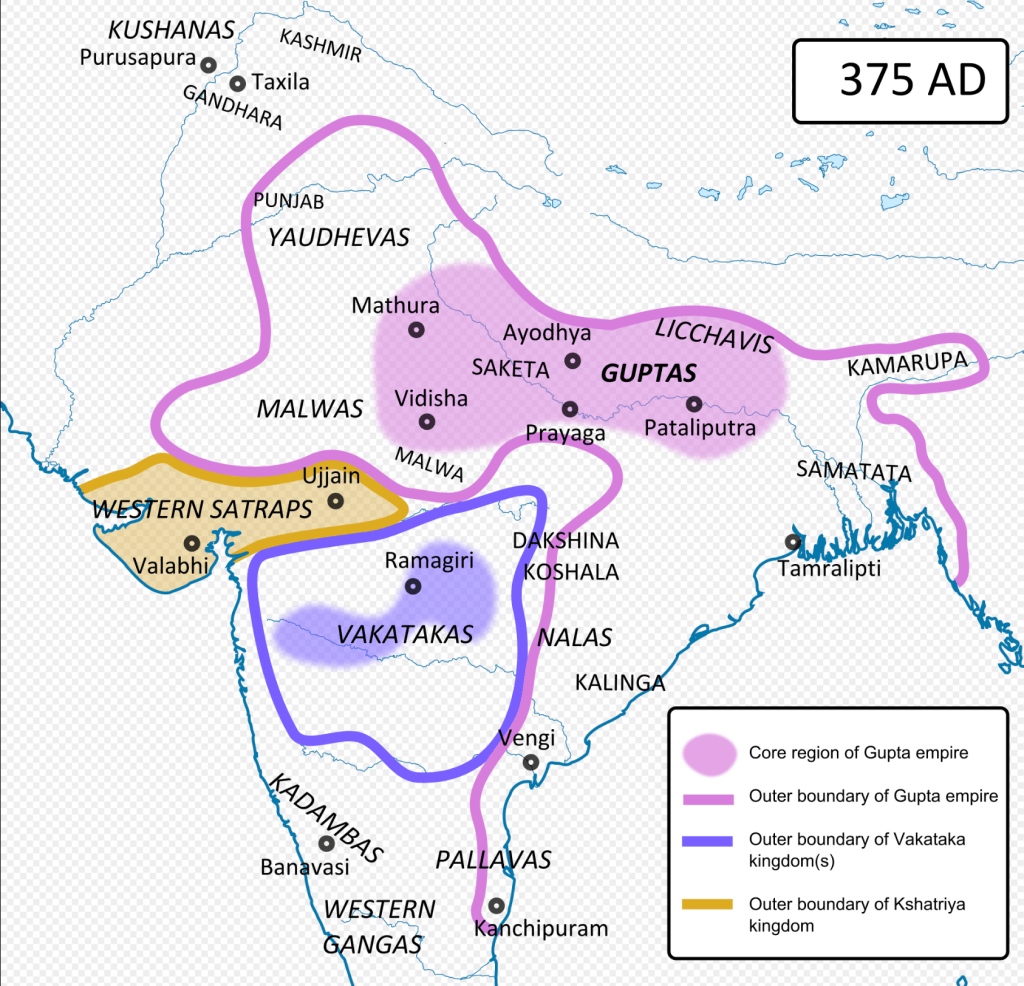
The ‘Napoleon of ancient India’, Samudragupta, attempted to immortalise himself on the pillar at Prayaga, celebrating his innumerable victories, boasting about his superiority to one and all. But he does not claim victory over the the Western Sakas/Kshtrapas, who ruled western India. The story becomes more interesting when we look at his son, Chandragupta Vikramaditya,…
-
The Spy Who Taught Me to Write. And Interpret History.
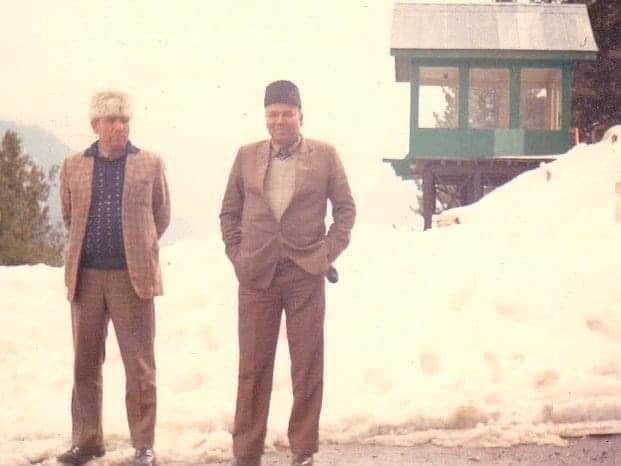
Why I dedicated my novel to my late father
-
Dhruvadevi: The Queen Who Wouldn’t Leave Me Alone
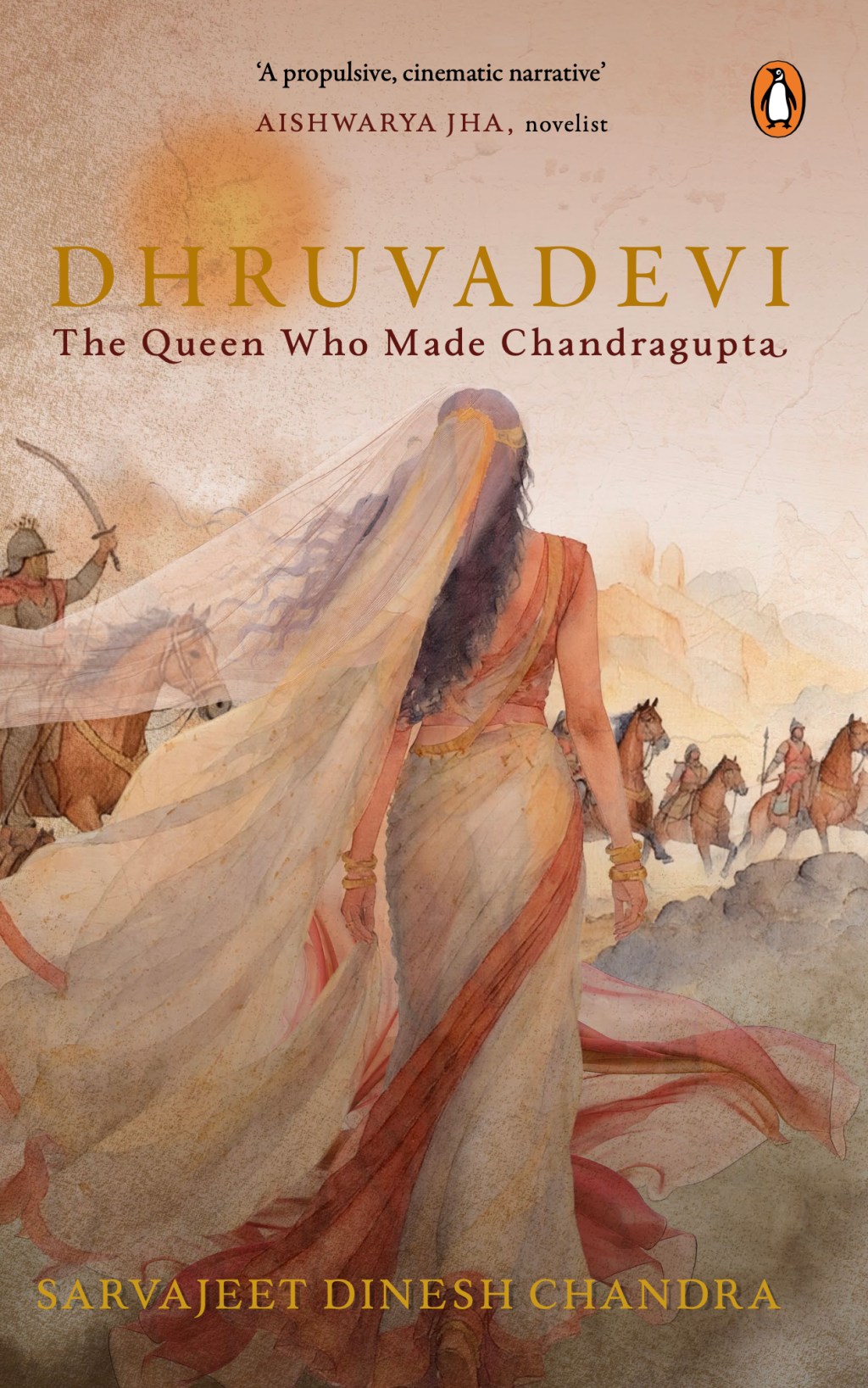
I did not discover Dhruvadevi through history. I found her, decades ago, in Jaishankar Prasad’s Hindi play Dhruvaswamini (1933), which I shortlisted, as one of the options which my fledgling theatre group could potentially stage. Unlike the Draupadi archetype, who was gambled by her husband(s), here was a woman, who refused to be traded like…
-
Having, Leaving, Left.
Tell me where you are currently. Or are you in the ‘Desiring’ phase? Feels Like Home Your love lingers like morning mist, hugging the trees at dawn, neither rushing nor retreating, simply staying, so close I can almost breathe it in. I ask myself, why would I ever wish to be anywhere else, when your…
-
Kerala’s Mathematics Revolution: Madhava and Beyond
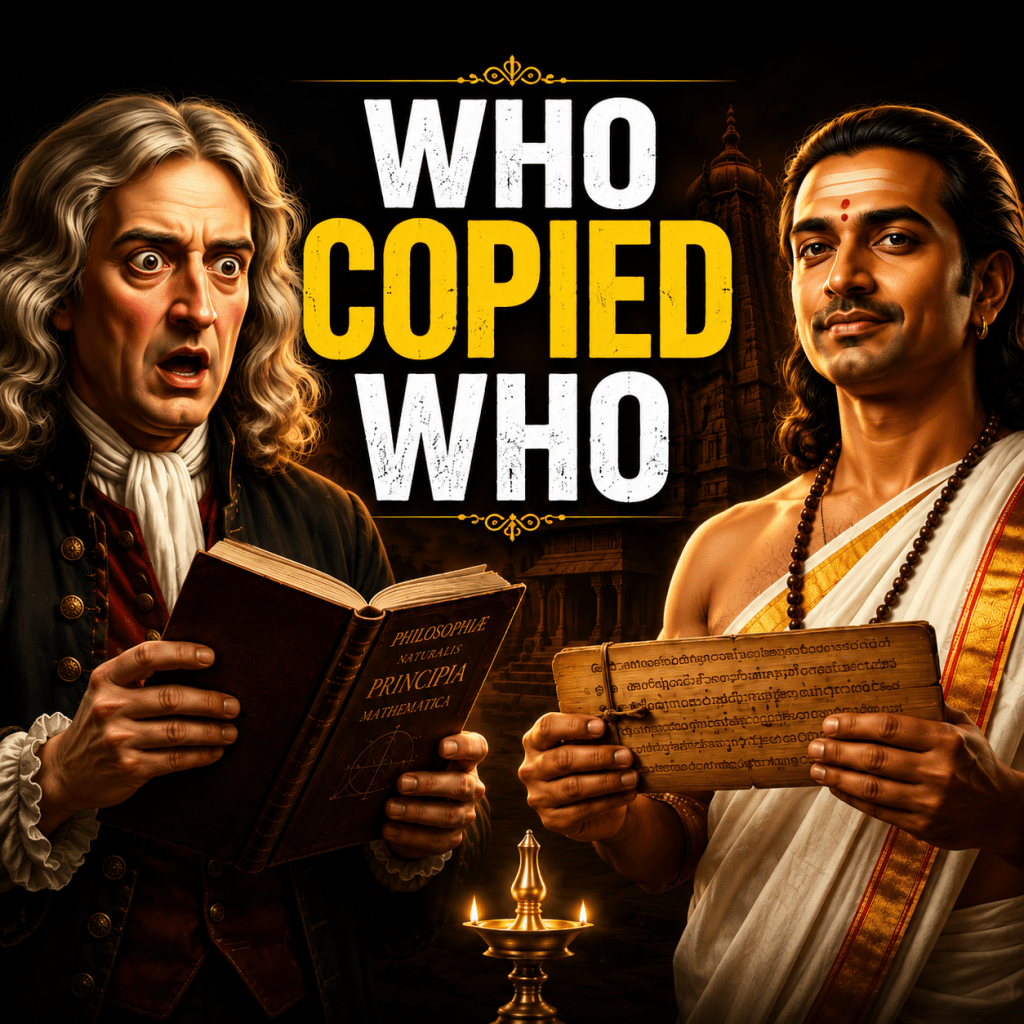
Madhava of Kerala advanced mathematics in the 14th century, calculating pi to eleven decimal places and developing infinite series for trigonometric functions. The Kerala School flourished through generations, prioritizing accountability over recognition. Despite early contributions to calculus and astronomy, their work was overlooked until rediscovered in the 19th century.
-

The Courtesan’s Journey: Love and Betrayal in Ancient India
She loved a farmer boy in secret, and his broken promise turned her into one of Gupta India’s most dangerous courtesans. Madhavsena, is both deadly & dangerous in the novel: Dhruvadevi – The Queen Who Made Chandragupta This video follows a single woman’s fall from village love to the courtesan quarters of a great temple…
Subscribe
Enter your email below to receive updates.


 Sarvajeet Dinesh Chandra