-

Vishnu and the Gupta Empire: A Fusion of Beliefs
The Gupta dynasty, around 300 AD, succeeded by leveraging belief as a strategy to unify a fractured empire. By merging deities such as Krishna and Vishnu, incorporating Buddhism, and establishing temples as social institutions, they fostered cultural coherence and economic strength. Their legacy influenced modern Hinduism and highlights the power of absorption over confrontation in…
-
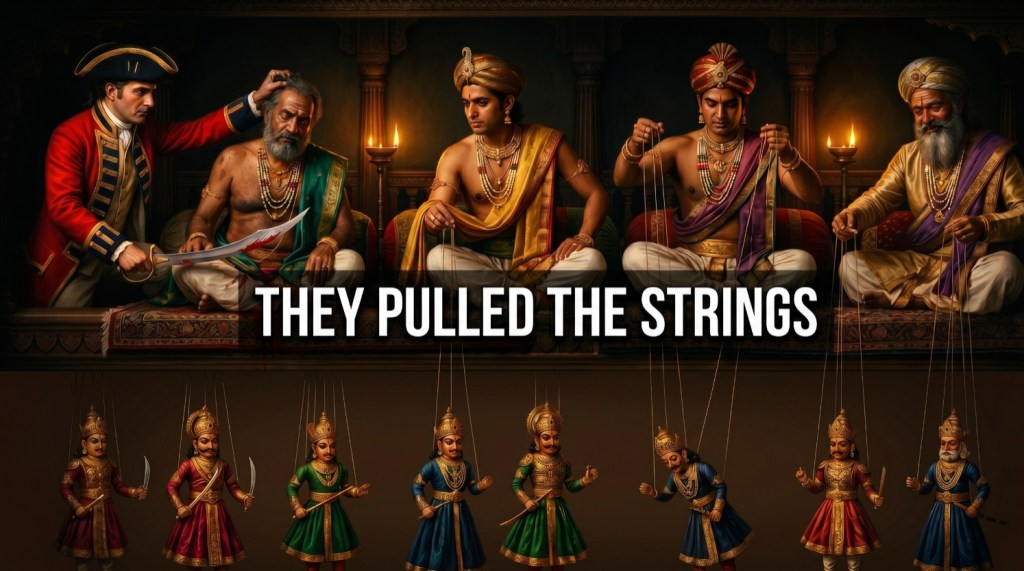
From Shrenis to Startups: Lessons from India’s Commercial Past
The content explores India’s rich commercial history, highlighting powerful merchant guilds predating colonialism and their impact on trade, finance, and education. It discusses the role of guilds like the Ayyavole Ainurruvar in establishing extensive networks and sophisticated financial systems, illustrating how these ancient practices inform modern India’s resurgence in commerce.
-
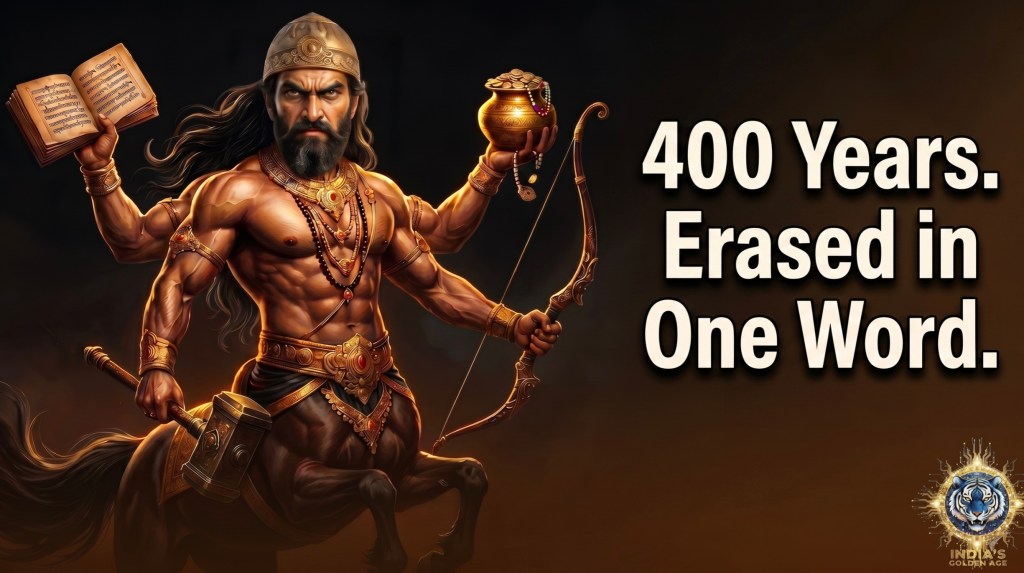
The Sakas: From Barbarians to Builders of India
The scholars of the Gangetic heartland called the Sakas mleccha: barbarians, outsiders, people who did not belong. History tells us that they were anything but. For nearly four hundred years, one branch of these so-called mlecchas ruled Gujarat and Malwa. The Western Sakas, also known as the Western Kshatrapas, held power longer than the Mauryas…
-

Baudhayana: Ancient India’s Geometric Innovator
Baudhayana, an ancient Indian priest and mathematician around 800 BCE, recorded geometric principles in the Shulba Sutras, emphasizing the importance of precision in constructing fire altars. His notable acknowledgment of the imprecision in calculations reflects intellectual honesty. The historical narrative of mathematics should recognize contributions beyond Pythagoras, reclaiming a comprehensive history.
-

Navigating the Puranas: India’s Civilisational Framework
In 300 CE, the fragmented Indian subcontinent was unified by the Gupta Empire through cultural integration rather than military might. Utilizing the Puranas, the Guptas connected diverse local traditions and beliefs, creating a shared framework that allowed for voluntary belonging and local creativity, influencing society and spreading beyond borders.

Subscribe
Enter your email below to receive updates.


 Sarvajeet Dinesh Chandra